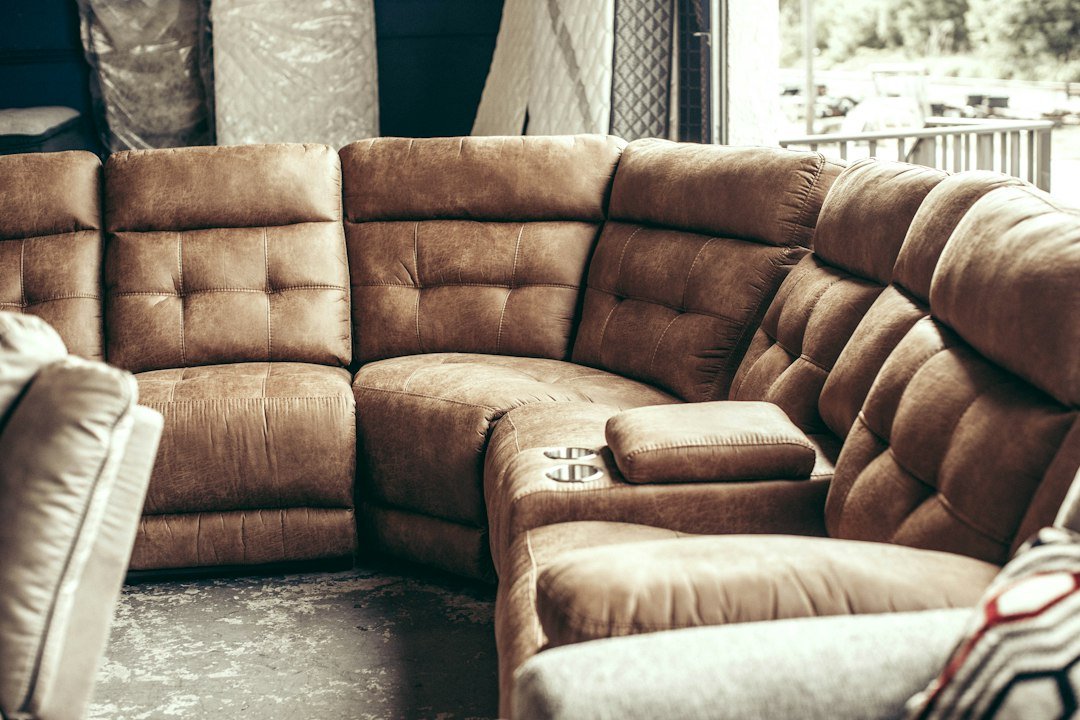
To learn how to sell furniture online locally, take six clear photos of your best item before doing anything else. Use daylight near a window, photograph the front and back, and include close-ups of flaws. Start there. Good photos get a buyer to stop scrolling, while vague listings usually create low offers and repetitive questions.
Selling used furniture for extra cash is mostly a practical local logistics job, not passive income. You clean the item, measure it, write an accurate listing, answer messages, and arrange a safe pickup. The work is simple. A solid listing reduces the amount of back-and-forth because buyers can see the condition, dimensions, price, and pickup terms before they contact you.
How to sell furniture online locally without wasting time
Choose one item that is clean, complete, and easy to identify. Start with furniture that has a clear use, such as a desk, dining chair set, bookcase, bedside table, or dresser, rather than an unlabeled box of parts or a heavily damaged piece. Condition matters. If an item needs repair, say so in the first few lines instead of waiting for a buyer to notice it at pickup.
Measure twice. Record width, depth, and height in inches or centimeters, depending on what local buyers usually expect, and measure doorways if you are selling a large sofa, wardrobe, or cabinet. A buyer who arrives with the wrong vehicle often leaves empty-handed, which costs you time and can force you to relist the item.
Clean and inspect the piece first
Wipe hard surfaces, vacuum fabric furniture, remove personal items from drawers, and check that doors, drawers, and legs work as described. Dust matters. Do not hide stains, chips, smoke odor, loose hardware, pet damage, or water marks. Clear disclosure can make the asking price lower, but it also prevents an awkward pickup dispute and protects your seller reputation on platforms that allow ratings.
Take photos after cleaning, not before. Use a plain area with enough room around the item so buyers can judge its size, and photograph any label, brand mark, model number, or care tag if it is relevant and readable. Skip the filters. Brightened or heavily edited pictures can make the color look different in person, which often leads to complaints.
Write a listing that answers buyer questions
Put the item name, material or color, dimensions, condition, price, and pickup area in the listing. Be specific. “Solid wood dresser, 48 inches wide, six drawers, normal scratches on top, pickup near downtown” is more useful than “nice dresser, message me.” Mention whether the buyer needs to bring help, tools, or a suitable vehicle.
A practical title uses words people actually search. For example, “Oak dining table with 4 chairs, seats 4, 60-inch table” tells a buyer what the item is, what comes with it, and whether it may fit their home. Avoid keyword stuffing. It can make a listing sound unreliable and does not fix weak photos or missing measurements.
- Item: Include the common furniture name first, then the style, color, material, or brand if known.
- Condition: Describe normal wear plainly and photograph any meaningful defect.
- Pickup: State a general neighborhood, floor level if relevant, and whether help is available.
- Payment: Say which payment method you will accept before the buyer travels.
Price furniture for extra cash and a realistic sale
Check current local listings for similar items, then compare condition, size, brand, and whether the item is assembled. Ignore the highest asking prices. An unsold listing is not proof that buyers will pay that amount. Look for several comparable listings and use them to set a starting price that leaves room for ordinary negotiation.
Here is a simple worked example. If similar used desks are listed around $80 to $120 and yours has visible scratches but sturdy drawers, you might list at $85 and decide in advance that $65 is your lowest acceptable pickup price. Write that number down. It keeps you from making a rushed decision after several days of messages.
| Item situation | Listing approach | What to expect |
|---|---|---|
| Clean, popular, complete item | Price near comparable local listings | Wait briefly for serious buyers before reducing |
| Bulky item with minor wear | Price below cleaner alternatives and show defects | Pickup convenience may matter more than top price |
| Damaged or repair-needed item | List as repair project or parts item | Expect a smaller buyer pool and direct questions |
Local demand changes with the season, moving cycles, and your neighborhood, so no price formula guarantees a sale. Be flexible. If you receive several views but no messages after a reasonable period, replace the lead photo, add missing dimensions, or lower the price modestly rather than repeatedly reposting the same unclear listing.
Pick the marketplace based on the item
Facebook Marketplace often has a large local audience and useful location filters, while Craigslist is still used in many areas for straightforward local classified listings. OfferUp is another option in some markets. Check each platform’s current rules before posting because payment, messaging, prohibited-item, and safety policies can change.
List on one platform first if you are new to this. It is easier to track messages and avoid accidentally promising the same furniture to two people. If interest is slow, copy the same accurate details to another local marketplace, then remove or mark the listing sold as soon as the item leaves your possession.
Do not pay to promote a low-value item until you understand local demand. Free listings often provide enough information to judge whether the photos, description, or price need work. Save your effort. A better lead image and exact measurements are frequently more useful than a paid boost for ordinary used furniture.
Handle messages, payment, and pickup safely
Reply in the order messages arrive, but do not treat “Is this available?” as a commitment. Ask a buyer when they can collect the item and whether they have a vehicle large enough for it. Keep it simple. A buyer who gives a specific pickup window is usually easier to plan around than someone who only asks if you will hold it.
Set a clear rule such as “first confirmed pickup gets it” unless a buyer has sent a deposit through a method you understand and are comfortable using. Be careful with deposits. Payment scams can involve fake screenshots, reversed payments, or requests to send money back after an invented overpayment.
For a large item, arrange daylight pickup when possible and keep communication inside the marketplace app until plans are settled. Have another adult nearby if that makes you more comfortable. Trust your judgment. You can meet outside, use a building lobby, or choose another public handoff point for smaller furniture when that is practical.
Confirm the payment before the item goes into the buyer’s vehicle. Cash can be straightforward for local sales, while instant electronic payment methods require you to verify the funds in your own account rather than relying on an email, text, or screenshot. Never share verification codes. A real buyer does not need one to collect a chair or table.
FAQ
What furniture sells fastest locally?
Useful, reasonably sized pieces tend to draw more interest than oversized furniture with unclear condition. Think desks, storage pieces, dining chairs, and simple tables. Local demand differs. Clean photos, measurements, and a workable pickup plan often matter as much as the furniture category.
Should I offer delivery?
Only offer delivery if you have a vehicle, enough help, and a price that accounts for fuel, time, lifting, and the risk of damage. Keep boundaries clear. For many casual sellers, buyer pickup is simpler because it avoids scheduling routes and carrying furniture into another home.
How long should I wait before lowering the price?
Watch the quality of responses, not only the number of views. If serious buyers are not arranging pickup after several days, review the listing before cutting the price. Fix missing information first. A poor first photo or absent dimensions can block a sale even when the price is fair.
What if a buyer wants me to hold the item?
You can hold it, but give a specific deadline and keep the agreement in writing in the platform message thread. Set a cutoff. If they do not arrive or confirm by that time, move to the next interested buyer without arguing.
Related posts
This article is for general informational and educational purposes only and is not financial, tax, or legal advice. Any income examples are illustrative, not typical or guaranteed — results vary widely by effort, time, niche, and platform changes, and we do not guarantee you will earn any income. Always do your own research and consult a qualified professional before making financial decisions.
Disclosure: This post may contain affiliate links. If you click through and make a purchase, we may earn a commission at no extra cost to you. We only recommend tools we’ve researched or genuinely believe in.