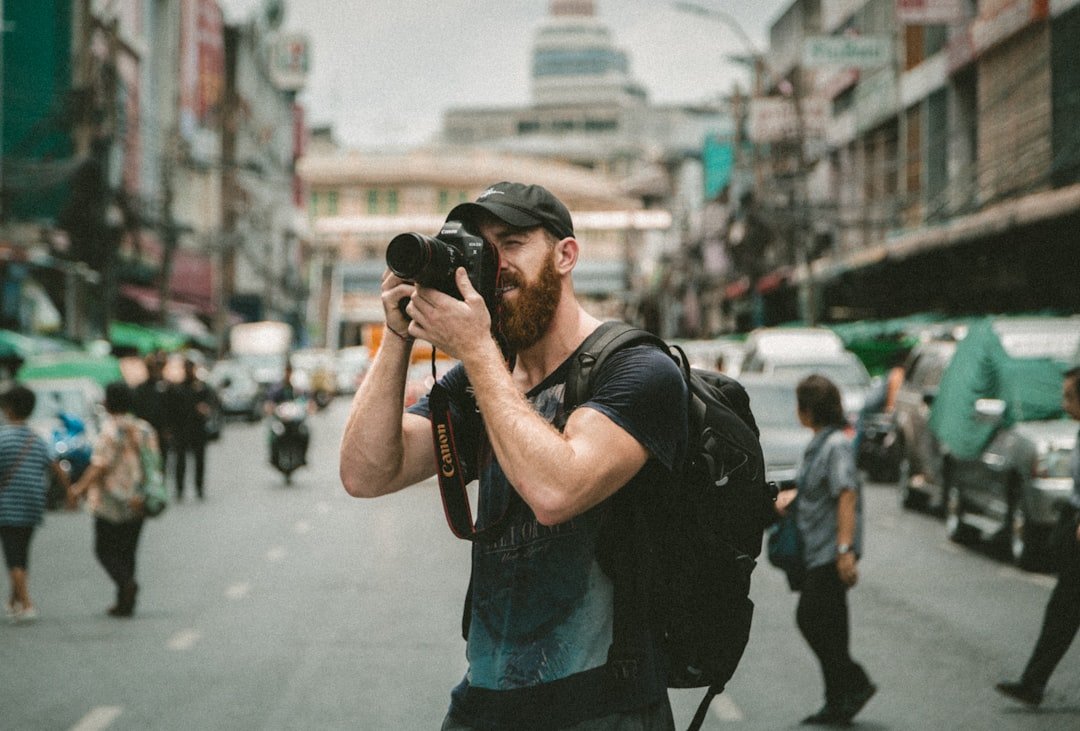
Knowing how to grow a stock photo portfolio is the difference between uploading photos and actually earning from them month after month. Most people get this wrong from the start. How to grow a stock photo portfolio isn’t about quantity alone — it’s about building a focused, searchable collection that matches what buyers on Shutterstock, Adobe Stock, and Getty Images are already spending money on. If you treat this like a real recurring income stream from the beginning, the results compound fast.
Stock Photo Platform Comparison at a Glance
Before you shoot a single image, know where your work will live and how each platform pays. Royalty structures vary and can change, so verify current rates directly with each platform before submitting.
| Platform | Royalty Range (Est.) | Exclusivity Required | Best For |
|---|---|---|---|
| Shutterstock | 15%–40% per download | No | High-volume contributors |
| Adobe Stock | Around 33% per image | No | Creatives already using Adobe tools |
| Getty / iStock | 15%–45% depending on exclusivity | Optional | Premium buyers and editorial |
| Alamy | Up to 50% non-exclusive | No | Editorial and niche content |
| Dreamstime | 25%–50% tiered | Optional | Beginners building early volume |
Before You Upload Anything — Checklist
Run through this before submitting your first batch. Skipping any of these is why most contributors get rejected or earn nothing in the first three months.
- Research which categories are actively selling on your target platform right now — not last year
- Shoot in RAW format and export at the platform’s minimum resolution requirement (verify this before submitting)
- Write keyword-rich titles and descriptions using actual buyer search language, not artistic descriptions
- Remove any trademarked logos, recognizable faces without a model release, or private property without a property release
- Organize your files by theme, season, and use case before your first upload batch
- Set up accounts on at least two platforms so your income isn’t tied to one algorithm
How to Grow a Stock Photo Portfolio Step by Step
This process works whether you shoot with a DSLR or a modern smartphone. The condition that matters: you need consistent output over time, not perfection in week one.
- Pick a niche before you pick up a camera. Food, remote work, small business, wellness, and diverse lifestyle content all have documented buyer demand. Generalist portfolios get lost. Niche portfolios get found.
- Study the best-seller lists on your target platforms. Go directly to the top-selling images in your chosen category. Note lighting, composition, color tone, and subject positioning. This is the part that actually matters — copying what already sells beats guessing what might.
- Build in themed shoot days. Plan shoots around seasonal demand cycles: back-to-school in July, holiday content in September, tax and finance content in December. Upload 60–90 days before the buying spike hits.
- Upload in batches, not trickles. Platforms reward consistent uploaders. Aim for 20–30 images per week during your build phase, even if some weeks you do fewer. Here is where most beginners go wrong — they upload 10 images and wait. The algorithm needs volume before it starts surfacing your work.
- Write metadata like a buyer, not a photographer. A buyer searching for “woman working from home laptop coffee morning” is not searching for “golden hour productivity portrait.” Match buyer language exactly.
- Track what sells and double it. After 60–90 days, look at your download report. The images earning money tell you exactly what to shoot more of. Ignore the ones you’re personally proud of that haven’t moved.
- Warning: Do not keyword stuff. Platforms now penalize images with irrelevant keyword spam. Keep your tags accurate or risk having submissions rejected or buried.
What Actually Drives Recurring Sales
You’d think uploading more photos always means more income — it usually doesn’t unless the new uploads match market demand. I’ve seen people with 3,000 images earning less per month than contributors with 400 targeted shots in a profitable niche.
Recurring downloads come from evergreen content: business concepts, health and wellness, technology, and diverse human experiences. Trendy content spikes once and dies. Evergreen content earns for years.
Seasonal content is the exception. Shot and uploaded at the right time, holiday or event-based images can generate a concentrated burst of downloads annually — and that adds up over a multi-year portfolio.
Does your current upload strategy account for both streams? Most beginners don’t realize you need a mix of slow-burn evergreen and timed seasonal work to build real monthly consistency.
My Picks for This
- Adobe Lightroom — editing consistency across your entire portfolio matters more than individual image perfection, and Lightroom’s batch processing saves hours per shoot.
- Canva — useful for creating simple lifestyle mock-ups, social media content flat lays, and textured backgrounds that sell well without requiring expensive studio setups.
- Keyword Tool Dominator — helps you research exactly what buyers are typing into search bars on stock platforms so your metadata matches real demand.
- Fotobly or Imagecoast trackers — third-party portfolio tracking tools that show which images are downloading across multiple platforms in one dashboard.
- Grammarly — your image titles and descriptions get read by buyers, and clean professional copy increases click-through rates even on stock platforms.
Frequently Asked Questions (FAQ)
Q1. How long does it take to earn your first sale?
Most contributors report their first download within two to eight weeks of uploading an initial batch of 50 or more images. Smaller portfolios take longer because platform algorithms need data to surface your work to buyers.
Q2. Do you need expensive camera gear to start?
No. Recent smartphone cameras meet the technical requirements of most major stock platforms. Sharp focus, clean lighting, and relevant subject matter matter more than camera brand. Verify current technical specs with each platform before shooting.
Q3. How many images do you need before income becomes consistent?
Community reports suggest 300–500 images in a focused niche tends to be a turning point for monthly consistency, but this varies widely by niche, platform, and metadata quality. There is no guaranteed number.
Q4. Can you submit the same photos to multiple platforms?
Yes, as long as you are not in an exclusive agreement with a specific platform. Non-exclusive submission to multiple marketplaces is the standard strategy for maximizing recurring downloads from the same image.
Q5. What are the most common reasons images get rejected?
Blurry focus, visible noise in shadows, missing model or property releases, keyword spam, and trademarked content are the most frequently cited rejection reasons across major platforms. Review each platform’s contributor guidelines before your first submission.
Q6. Is stock photography still worth starting in 2025?
Yes, especially for contributors who focus on AI-resistant content: authentic human emotion, real environments, and culturally specific lifestyle imagery. Generic stock has declined, but specific and credible visual storytelling still commands buyer demand.
Related posts
This post is for informational and educational purposes only. Income figures mentioned are community-reported estimates and do not represent average or guaranteed results. Results will vary based on effort, experience, and market conditions. Nothing in this post constitutes financial, tax, legal, or investment advice. Consultation with a licensed professional is recommended before making financial decisions. Platform fees, commission rates, and tool features are subject to change without notice. Always verify current platform terms, fees, and policies directly with the official source before taking action. This post may contain affiliate links. A commission may be earned if a purchase is made through a link, at no extra cost to the reader.