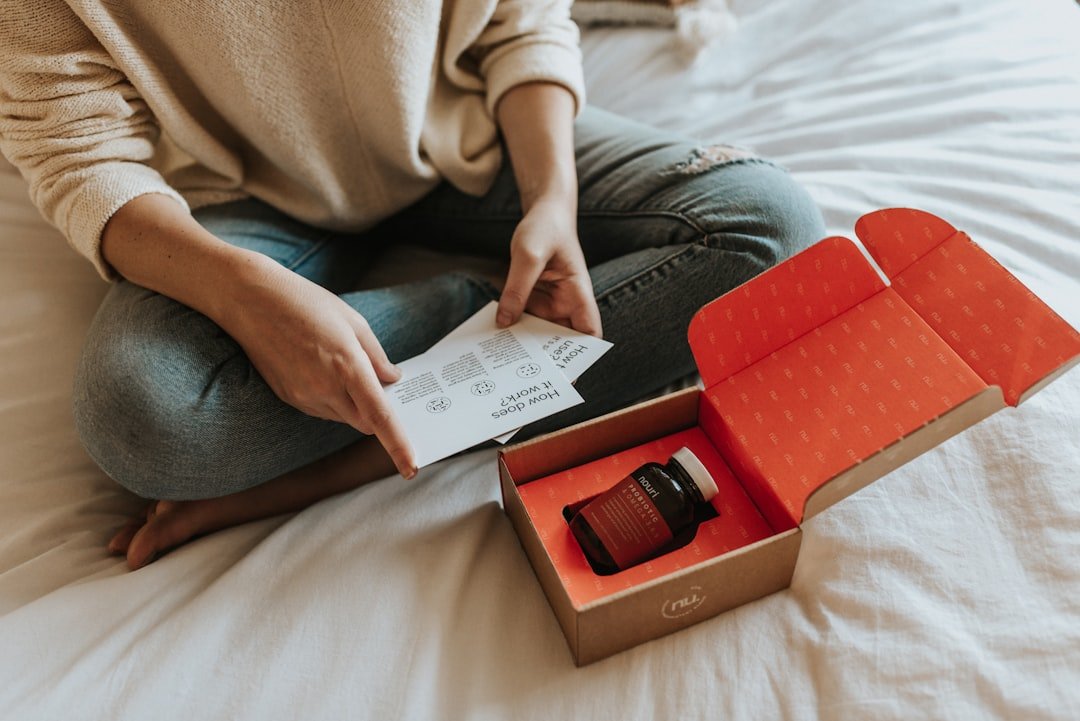
Start by writing a one-sentence offer for one specific buyer before you buy a single product. That is the fastest first step in learning how to start a subscription box business from home, because a clear customer and use case make every later choice easier. Keep it narrow. For example: a monthly box of screen-free craft supplies for parents of children aged six to eight, or pantry spices for people learning regional cooking at home. If you cannot describe who the box is for and why they would want it repeatedly, do not order inventory yet.
How to start a subscription box business with a small test
Subscription boxes work when the recurring value is stronger than the effort of signing up, receiving, and staying subscribed. The product itself may be simple, but the operation is not. You need a dependable supply of items, packaging that protects them, a way to collect recurring payments, customer communication, and enough margin to cover mistakes. Start small. A first batch of 10 to 25 boxes can reveal whether people like the theme, price, delivery schedule, and contents before you spend heavily.
Choose a niche with a repeat reason to buy. A box based only on novelty often struggles after the first shipment, while a box that supports a hobby, routine, collection, or ongoing need has a clearer reason for customers to remain. Avoid broad ideas such as “self-care items” unless you can make the audience unusually specific. A useful test is this: can you name five items your customer would expect over the next six months without repeating the same product type? If not, the concept may run out of momentum quickly.
Validate demand before ordering stock
Create a basic product page with the proposed box theme, expected shipping month, approximate contents, price, and cancellation terms. Use original photos of a sample arrangement when possible. Mockups are fine for early planning, but real samples make quality and scale easier to judge. Ask interested people to join a waitlist or place a refundable preorder only if you can clearly state the delivery timing and refund process. Interest is useful. Paid orders are better evidence.
Talk to potential customers in the places they already gather, such as hobby communities, local parent groups, or your own email list if you have one. Do not paste the same sales message everywhere. Instead, ask what they currently buy, what disappoints them, and what would make a recurring box useful enough to keep. Their wording can shape your product page. It can also expose a bad assumption before it becomes expensive inventory.
Build the box economics at home
Calculate the full cost per shipment, not only the products inside. Include item cost, inbound shipping to you, tissue or filler, box, label, payment processing, shipping to the customer, damaged replacements, and a portion of your website or subscription software. Small orders cost more. A quick illustrative example: if contents cost $14, packaging costs $3, postage costs $7, processing averages $2, and you set aside $2 for replacements and overhead, the delivered cost is about $28 before your own labor and taxes. A $35 selling price leaves little room for discounts, errors, or paid advertising.
Use a spreadsheet from day one. Track each supplier quote, minimum order quantity, lead time, item weight, and whether an item can be reordered. Some suppliers require business documentation or have minimum purchases, while others allow small wholesale orders at higher unit costs. Verify current terms directly with each supplier. Do not rely on an old blog post or a screenshot from a marketplace listing.
At-home storage gets crowded fast. Measure a shelf, closet, or spare-room area before placing an order, then account for flat boxes, packing materials, returns, and products waiting for the next cycle. Keep inventory dry and organized. If you sell food, cosmetics, products for children, or anything regulated, check the applicable local rules, labeling requirements, product safety obligations, and insurance needs before launch. Those details vary by location and product category.
Set up checkout and subscription rules
Your store needs a checkout system that supports recurring billing, subscriber management, taxes where required, shipping settings, and cancellation handling. Read the platform’s current pricing and payment rules before committing, since fees and available features can change. Keep your offer easy to understand. State the billing date, cutoff date for the next box, expected ship window, renewal frequency, how customers skip or cancel, and what happens if an item is unavailable.
Do not make cancellation difficult. Clear subscription terms reduce frustrated emails and charge disputes, and they give you a cleaner view of genuine demand. Send an order confirmation immediately, then send a shipment update with tracking when applicable. Customers generally tolerate a reasonable delay better when they receive a specific explanation. Silence causes problems.
Pack a reliable first shipment
Build one complete sample box and mail it to yourself before your public launch. This is practical. Check whether items shift, whether the outer box survives, whether the label scans, and whether the unboxing experience matches the price you plan to charge. Weigh the finished package rather than guessing. A small weight difference can change shipping costs enough to erase a thin margin.
Write a repeatable packing checklist: pick items, inspect products, add inserts, protect fragile goods, seal the box, weigh it, apply the correct label, and mark the order fulfilled. Keep the first process boring. A complicated handwritten personalization system may sound appealing, but it can turn a manageable 20-box run into an all-night packing job. Add custom touches after the core workflow works consistently.
Launch, measure, and improve slowly
Open with a limited number of subscriptions and one shipping date. That limit protects your time and lets you solve problems while they are still small. Tell buyers what is included at a category level, but leave room for occasional substitutions if your terms allow it. After delivery, ask a short question: what was your favorite item, and what would you change? Keep the survey brief.
Watch a few numbers each cycle: how many visitors join the waitlist, how many subscribers renew, how many cancel, the average shipping cost, replacement requests, and hours spent packing. These numbers tell a more useful story than social media likes. If cancellations rise after the second shipment, examine whether the box is repetitive, the value feels unclear, or your promise attracted the wrong customer. Change one major variable at a time so you can see what actually helped.
A home-based subscription box can begin with a modest test, but it becomes a real operating business once customers expect regular delivery. Build trust through accurate photos, realistic shipping dates, simple terms, and dependable support. Grow only when the current batch is profitable after all direct costs and you can fulfill it without chaos. That pace may feel slow. It is usually cheaper than fixing a rushed launch.
Related posts
This article is for general informational and educational purposes only and is not financial, tax, or legal advice. Any income examples are illustrative, not typical or guaranteed — results vary widely by effort, time, niche, and platform changes, and we do not guarantee you will earn any income. Always do your own research and consult a qualified professional before making financial decisions.
Disclosure: This post may contain affiliate links. If you click through and make a purchase, we may earn a commission at no extra cost to you. We only recommend tools we’ve researched or genuinely believe in.