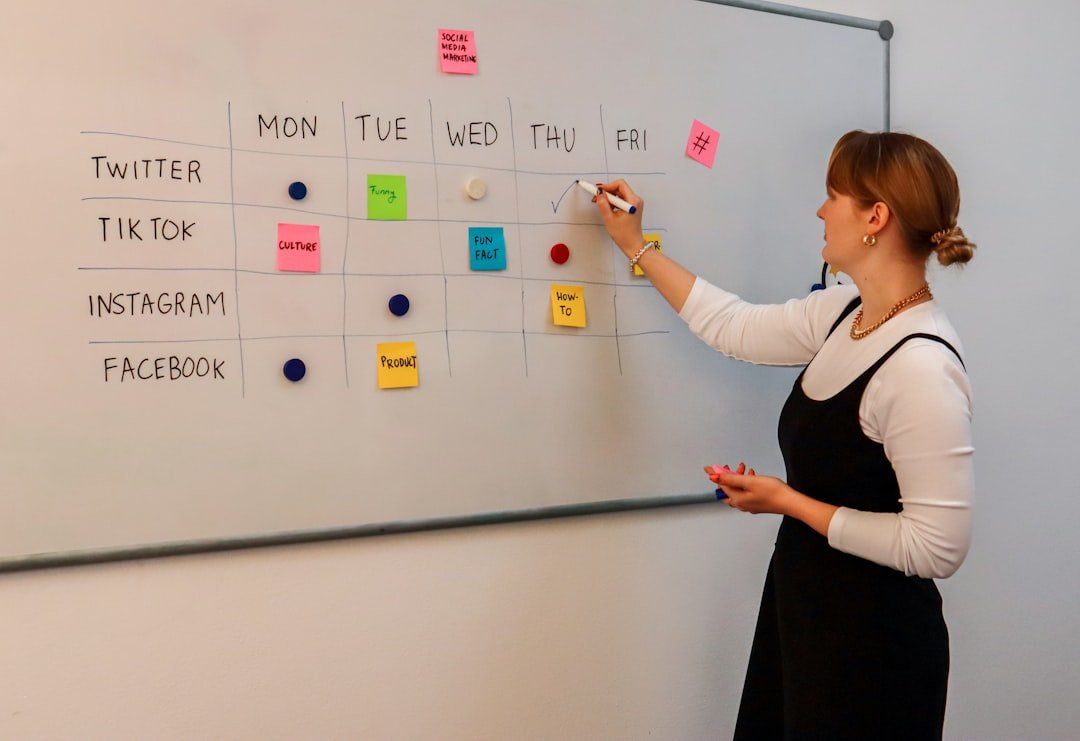
How often should you post on TikTok to grow? For most newer accounts, post one solid video per day if you can sustain it, or aim for at least three to five posts each week when daily posting would make the work rushed. Start there. When people ask how often should you post on TikTok to grow, the useful answer is less about finding a magic number and more about choosing a pace that gives you enough attempts to learn without turning every video into a low-effort repeat.
How often should you post on TikTok to grow without burning out
Daily posting gives you more feedback, especially during your first month or two on the platform. It is not mandatory. A creator who publishes four clear, relevant videos a week can learn faster than someone posting three vague clips a day, because each post has a reason to exist and can be measured against the others. Consistency matters more.
A realistic ideal posting frequency for many people with jobs, clients, or a small online business is five to seven posts per week. That is enough volume to test hooks, topics, formats, and video lengths while leaving time to reply to comments and improve the next batch. Some weeks will be lighter. That is normal.
If you already have a repeatable workflow and plenty of useful material, two posts a day can make sense for a limited test period. Do not assume twice as many posts produces twice the reach. TikTok distributes individual videos based on viewer response, and a weak second post can waste an idea you could have developed more carefully tomorrow.
Choose a frequency you can hold for eight weeks
The best schedule is one you can keep long enough to get usable evidence. Eight weeks is a helpful starting window. Posting daily for four days and disappearing for three weeks makes it hard to tell whether your topic, editing, timing, or posting pace is causing the result.
Pick a baseline that fits the actual time you have after filming, editing, writing captions, and responding to viewers. A simple talking-head video may take 20 minutes once you are practiced, while a tutorial with screen recordings, product shots, and captions can take much longer. Count the full workload.
I have found that creators often overestimate how many fresh ideas they can produce before they begin. The first week feels easy. By week three, they are recycling the same tip with a slightly different opening, then wondering why the videos feel flat. Build a small idea bank before increasing output.
- Low available time: Publish three to four times a week and reserve one session for planning.
- Steady available time: Publish five to seven times a week, with one filming batch each week.
- Established production system: Test two posts a day for two weeks, then compare quality and results with your normal schedule.
These are working ranges, not platform rules. Your niche changes the equation. A local service business may have fewer worthwhile stories than a creator covering entertainment news, while a product educator may need more time to demonstrate something clearly and accurately.
Make each post test one clear idea
Frequency helps only when each video gives you a lesson. Keep the test simple. For example, if you teach freelance designers how to price small projects, make several videos around one problem, such as clients asking for a discount, but vary the opening rather than changing every part of the video at once.
One version might begin with a direct statement: “A discount request is usually a scope problem.” Another can open with a short scenario about a client asking for extra revisions. A third might show a simple message template. The topic remains stable, so you have a better chance of seeing which presentation earns stronger attention.
Watch for patterns instead of treating one post as a verdict. A video may get an unusual burst of views because it reached the right audience at the right time, while another may grow slowly over several days. One result proves little. Repeated viewer behavior is more useful.
Use TikTok analytics after you have enough posts
TikTok analytics can help you review views, watch time, viewer retention, traffic sources, shares, saves, follows, and comments, although available reporting can change by account type and platform updates. Check TikTok’s current official in-app Help Center guidance for the analytics features and metrics available to your account. Look at several videos together. You want to know which topics attract the right people and which openings persuade them to stay past the first moments.
Do not chase views alone. If your goal is to build an audience for a newsletter, digital product, service, or affiliate content, a smaller video that brings thoughtful profile visits or relevant comments may be more valuable than a broad clip watched by people who will never need what you offer.
Use a basic tracking note after every post. Record the date, topic, hook, format, length, call to action, views after a few days, and one sentence about what you would change. Keep it boring. This prevents you from relying on memory, which tends to remember the exciting outlier and forget the useful middle.
Post more only after quality stays stable
Increase your posting frequency when you can answer three practical questions: Do you have at least ten unused ideas? Can you create the videos without skipping sleep or paid work? Are your recent posts clear enough that viewers understand the point quickly? If the answer is no, keep your current schedule.
A common mistake is increasing volume after one successful video. Resist that urge. First, make two or three follow-up videos that address related questions, objections, examples, or mistakes because interested viewers often want a deeper version of the original topic. Then assess whether you have a format worth repeating.
For example, imagine you normally post four short business tips per week. One video about setting a project deposit receives noticeably more saves and comments than your recent average. Instead of posting eight unrelated videos next week, publish two follow-ups: one about writing the deposit into a proposal and another about handling a client who asks to pay after delivery. That is a focused experiment.
If those follow-ups also hold attention and bring relevant interaction, add a fifth weekly post and keep that pace for a few weeks. If quality drops, return to four. Reducing output is not failure. It is how you protect the consistency that actually makes a content system usable.
Build a posting system before you need one
Batching removes much of the pressure behind daily posting. Choose one session to collect ideas and outline hooks, then another to record several videos. Small batches work well. You do not need to create a month of content in one exhausting weekend.
- Write down questions your audience already asks, comments you receive, and problems you have solved yourself.
- Choose four to seven ideas for the coming week, then write a one-sentence hook and one main takeaway for each.
- Film in short batches, but leave room to make a timely post if a comment or trend genuinely fits your topic.
- Edit and schedule only what you can review with fresh eyes, then save extra drafts for busy days.
- At the end of the week, review your notes and repeat the formats that generated useful viewer response.
Leave some flexibility in the calendar. A rigid schedule can make you ignore a strong audience question that deserves an immediate answer. On the other hand, posting every time you see a trend can pull a small business account away from the people it is trying to reach.
Timing matters less than the video itself
Posting when your likely audience is active can be worth testing, particularly once analytics shows when followers are online. Test it calmly. Publish similar videos at different times across several weeks rather than moving your whole strategy because one post did well at 9 p.m.
The opening, topic, clarity, and viewer satisfaction usually deserve more attention than the exact minute you publish. If a person sees your video and swipes away immediately, an ideal posting time will not fix the underlying problem. Improve the first line first.
Try to make the purpose obvious early. A side-hustle creator could say, “Here is the spreadsheet check I use before accepting a low-budget client,” instead of opening with a long introduction about their morning. Specificity gives the right viewer a reason to keep watching.
Signs your schedule needs adjustment
Lower your frequency if you are regularly publishing unfinished ideas, repeating yourself, or avoiding analytics because the numbers make you anxious. Pause and reset. A sustainable content plan should support your business goals rather than consume all the time you hoped to spend on the business itself.
Raise your frequency carefully if you have a backlog of distinct ideas, a format that viewers respond to repeatedly, and enough production capacity to maintain basic quality. Test one additional post per week before jumping to multiple daily uploads. Small changes are easier to evaluate.
For most people, one post a day is a useful ceiling to begin with, not a requirement. Three to five strong weekly posts can still create momentum when each video is relevant and you keep learning from the response. Keep showing up. Platform changes, audience behavior, and topic demand can affect reach, so verify current TikTok guidance inside the app and judge your schedule by your own results over time.
Related posts
This article is for general informational and educational purposes only. TikTok features, platform guidance, audience behavior, and results can vary by account, niche, content quality, timing, and platform updates. Use your own judgment and review current official TikTok guidance in the app.
Disclosure: This post may contain affiliate links. If you click through and make a purchase, we may earn a commission at no extra cost to you. We only recommend tools we’ve researched or genuinely believe in.